

Last Updated: February 12, 2026
If you need true off-hour training in Ottawa, Anytime Fitness can be one of the most practical options—but only if you understand the trade-off between 24/7 convenience and compact-club limitations.
Many members join Anytime for one clear reason: they need gym access when other clubs are either closed or painfully crowded. In Ottawa, that advantage is especially visible during shift-heavy weeks, weather disruptions, and periods when regular after-work windows become unreliable due to traffic or family logistics. That is a valid reason in Ottawa, especially for shift workers, early commuters, and people trying to train around family schedules. But convenience alone does not guarantee value. You still need the right contract setup, realistic expectations for equipment depth, and a location pattern that does not collapse in winter.
This guide breaks down what Ottawa users should check before joining: footprint by area, fee structure and cancellation realities, equipment limits, local sentiment patterns, and how Anytime compares with GoodLife, Movati, budget chains, and city recreation options. In short, convenience only becomes value when it is paired with consistent execution and clear contract understanding.
Author note: This is written by ViaOttawa’s local service coverage desk for practical Ottawa use, not generic chain-gym marketing language.
Key Highlights
TL;DR: Anytime Fitness in Ottawa is strongest for people who need reliable 24/7 entry and simple solo workouts. It is weaker for members who want premium amenities, deep class ecosystems, or large-floor heavy-lifting environments.
| Quick Facts | Details |
|---|---|
| ⏰ Core Strength | 24/7 member access model |
| 📍 Ottawa Footprint (Research Snapshot) | Commonly framed around 8-10 clubs |
| 💰 Fee Pattern | Monthly and term-based options vary by location |
| 🚗 Friction Point | Parking and space pressure at popular windows |
| 🎟️ Best Fit | Shift workers, night trainers, routine-focused solo members |
| 🏛️ Better Alternative for Some | GoodLife/Movati/city rec when amenities or classes are the priority |
What Anytime Fitness in Ottawa Actually Delivers
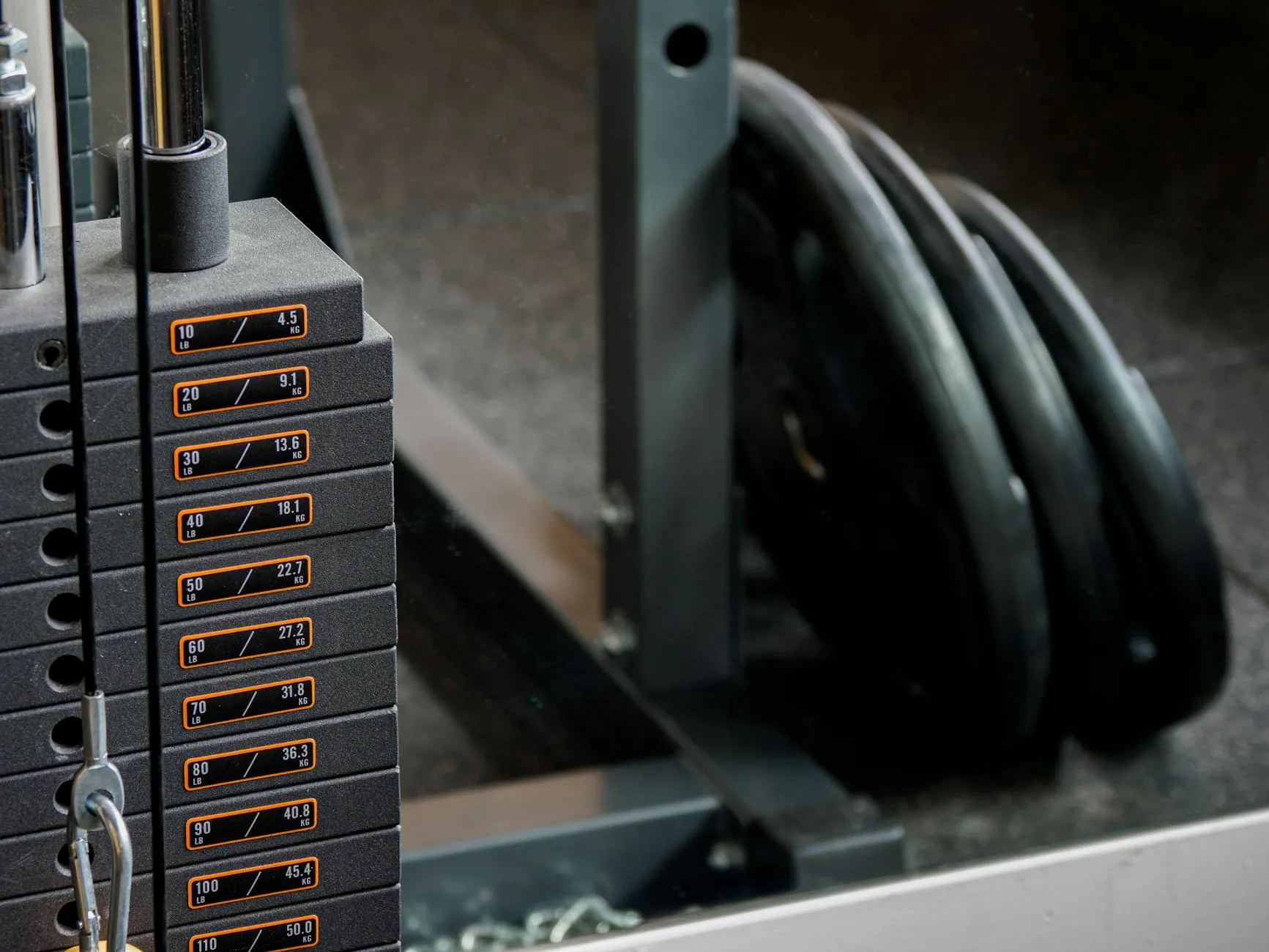 Anytime’s value is operational flexibility, not luxury amenity depth.
Anytime is a convenience-first gym model. In Ottawa, that matters because day-to-day routines are often split by transit windows, school runs, shift work, and weather disruptions. Research snapshots repeatedly position the chain as useful for people who need training access at unusual hours rather than big-club experiences.
This is not usually the best choice for members chasing pools, sauna-heavy recovery, large boutique class programming, or oversized lifting zones. It can, however, be an excellent choice for members who prioritize consistency over variety and who build a repeatable off-peak rhythm.
Think of Anytime as an access product first, an amenity product second.
If you are still deciding between multiple chain models, start with the city-wide Ottawa gyms guide and return here when your shortlist narrows.
Ottawa Footprint and Coverage by Area
 Coverage quality depends on where your week actually happens.
Research files commonly frame Anytime’s Ottawa footprint around 8-10 clubs with stronger central and west coverage than some outer suburban pockets.
Frequently referenced examples include:
- 1867 Carling Ave (K2A 1E5) in west-end context
- 281 Laurier Ave E (K1N 5W1) in central/east-central context
- Additional references around Beechwood, Merivale, and Orleans contexts
Downtown and central users
Central users tend to value shorter travel and late-hour entry. You trade floor size for convenience.
West-end users
West-end patterns are often commute-driven. If your home and work zones sit on different sides of Ottawa traffic peaks, multi-location planning can keep your routine alive.
East and south users
East-end and south-bound users can still make Anytime work, but route consistency matters more than map distance. A location that looks close can become high-friction when winter conditions, transfers, and parking overlap.
A local planning rule that works: choose one primary location and one backup location, then test both at your real training time for two weeks. Research commute notes also reference common OC service corridors such as routes 2, 11, and 85 in central-west movement patterns, but always verify live routes in the current OC planner before relying on them.
If you need broader area context before choosing any gym, check Ottawa neighbourhood coverage patterns.
Membership, Fees, and Contract Reality
 Most regret comes from misunderstood terms, not from missed workouts alone.
Anytime pricing in Ottawa is highly location-dependent. Public and community snapshots typically reference a mixed range rather than one universal city rate.
Commonly cited ranges in 2025-2026 research include:
- Month-to-month structures around $40-$60/month (location dependent)
- Example term bundles such as 6-month around $580 or 12-month bi-weekly around $30/2 weeks
- Join/enrolment references often in the $49-$99 band, with some broader snapshots citing $50-$150 depending on campaign and club
- Key fob references ranging from lower replacement fees to higher activation examples in some clubs
- Student/military discounts are sometimes reported around 10-20% where eligible proof is accepted
Freeze and cancellation caveats
Research snapshots frequently describe:
- freeze/hold options around 1-3 months/year
- fee-based hold structures around $10-$15/month where available
- cancellation notice windows often described in a 30-60 day range depending on agreement type
This is exactly why written confirmation matters. Before payment, request all active terms in writing for your specific club.
What to ask before signing
- Exact recurring dues for your chosen plan
- One-time charges (join/admin/fob)
- Cancellation notice and process
- Freeze eligibility and fees
- Transfer/global access conditions
If class inclusion is your top priority and 24/7 access is secondary, compare with GoodLife Fitness in Ottawa first.
First-year cost framing for realistic planning
A practical way to avoid surprises is to estimate your first-year cost using three layers, not one headline number.
- Contract layer: recurring dues and confirmed term conditions
- Access layer: one-time fees, fob costs, taxes, and promo reversions
- Behaviour layer: missed sessions due to commute friction, shift fatigue, or schedule mismatch
Example framing for Ottawa members:
- If you train four times weekly at off-peak hours and avoid avoidable fees, Anytime can deliver strong cost-per-session value versus larger clubs you underuse.
- If you train irregularly and rely only on motivation spikes, even a moderate monthly rate becomes expensive relative to outcomes.
- If your plan depends on classes or premium recovery amenities that your location does not provide, you may end up paying for convenience while separately paying for missing services.
Use a 12-week pilot mindset before thinking in 12-month terms. Track attendance, friction causes, and true usage. By week twelve, either the model proves itself or it does not. That evidence is more reliable than any launch-week confidence.
24/7 Access in Practice: What You Gain and What You Risk
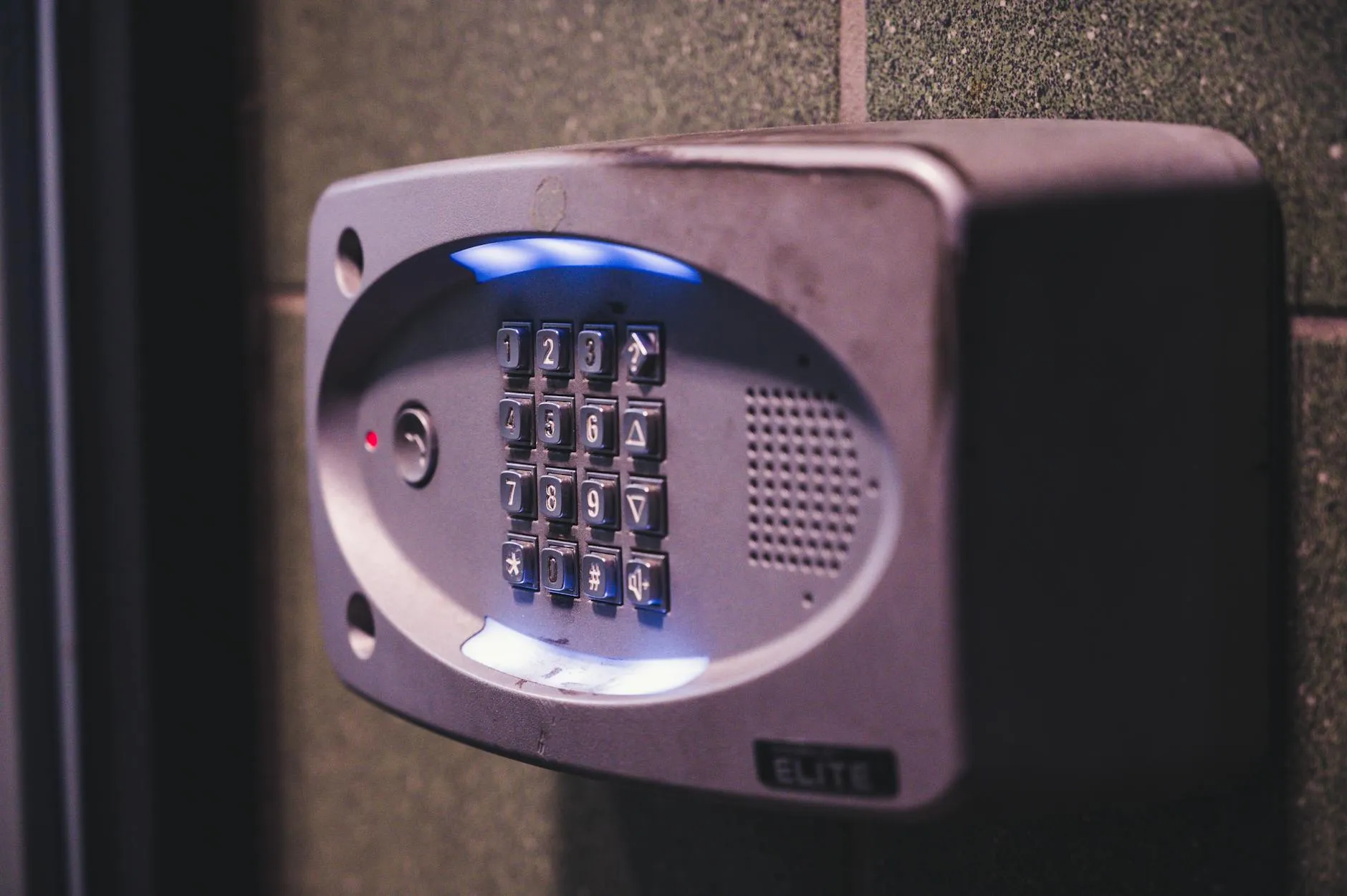 Off-hour access is powerful, but you need a self-directed routine.
The 24/7 model is the defining reason many Ottawa members pick Anytime. For shift workers, this can be the difference between training consistently and not training at all.
Research context generally describes staffed daytime/evening windows with broader member access outside those blocks via key fob systems. In practical terms:
- you can train in low-crowd windows
- you avoid post-work rush for many routines
- you are more self-reliant during low-staff periods
Who benefits most
- night-shift workers
- early risers before office commute
- parents training around household windows
- travellers using reciprocal club access
Who struggles most
- members needing constant coaching presence
- members uncomfortable with low-staff late-hour environments
- members expecting large premium-club floor variety
The model works when you are disciplined and self-directed. It works poorly when you rely on external structure but train only in minimal-staff windows.
Overnight etiquette and risk control
If your plan includes late-night or very early sessions, follow a simple safety routine:
- train with a pre-defined workout instead of improvising under fatigue
- avoid risky max-attempt lifts without a reliable setup
- keep valuables minimal and secured
- log arrival/departure habits for your own consistency data
Ottawa winter adds one more operational layer: entry and exit logistics. Snowbanks, icy paths, and delayed transit can change your total session time. Build a compact fallback routine for nights when travel conditions are not worth the risk.
Equipment and Amenity Limits You Should Expect
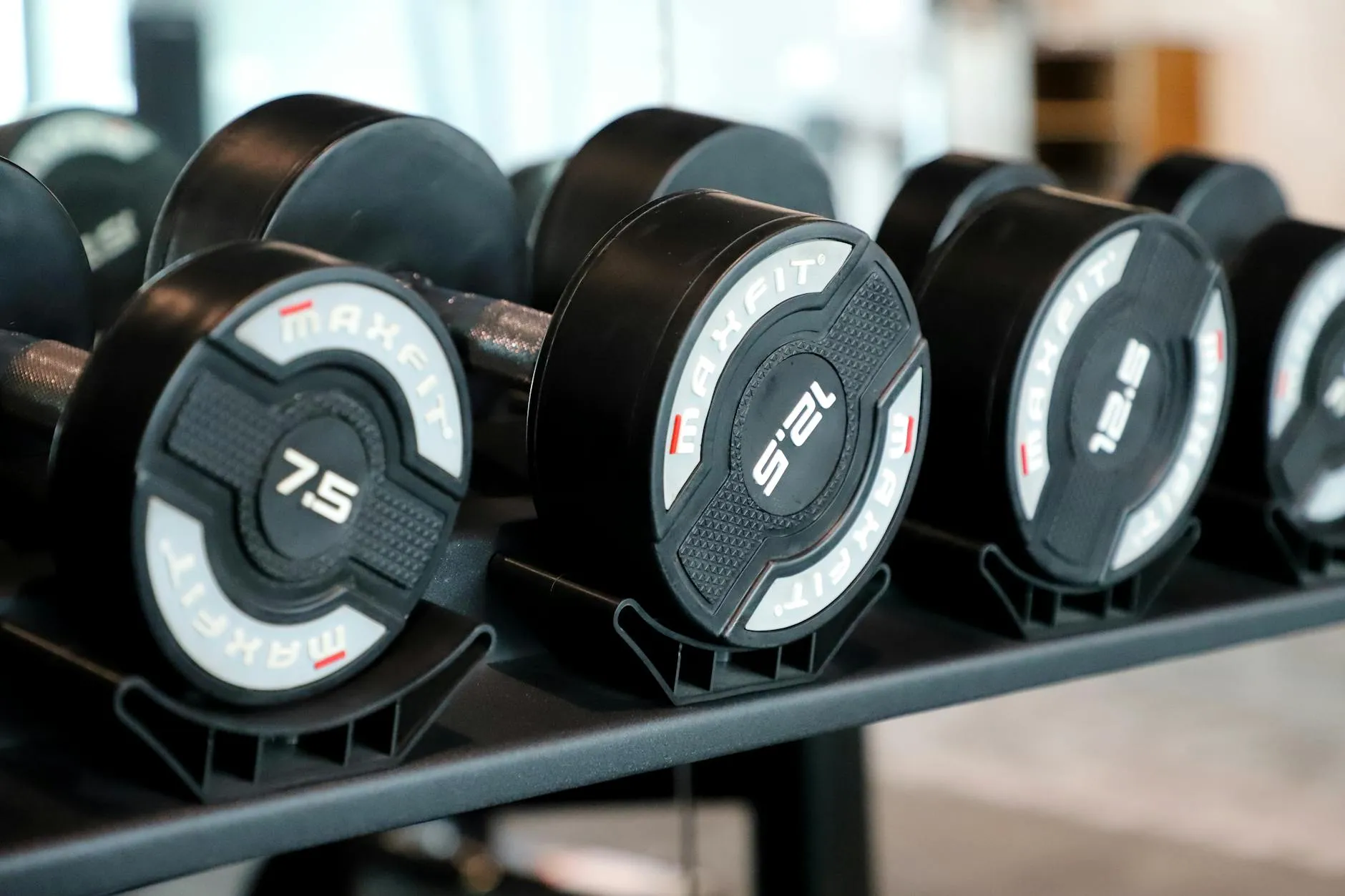 Anytime can cover essentials well, but scale limits are real.
Research snapshots consistently describe compact club footprints and solid baseline equipment rather than “mega-club” scale. Several snapshots place typical club size around 3,000-5,000 sq ft in the Ottawa market, depending on site age and layout.
Common patterns include:
- cardio inventory in smaller-volume formats
- functional strength equipment suitable for general training
- free-weight ceilings commonly cited around 75-100 lb dumbbells depending on location
- shower/changeroom availability with varying quality by club
- limited premium add-ons compared with high-amenity competitors
Research also repeatedly notes what is generally not part of standard Anytime value in Ottawa: pool access and deep spa-style amenities. Where coaching is purchased, research references often place personal training around $50-$80/hour depending on coach and location.
If your program depends on water training or full-service recovery stacks, compare with swimming pools and public aquatic options in Ottawa and premium clubs before committing.
What to test during a trial visit
Before you commit, test the exact things that can break your routine:
- wait time for your main lifts during your real training window
- locker and shower flow at arrival/departure times
- condition and spacing of free-weight zones
- reliability of entry access and app flow
Do not evaluate only at the easiest midday slot. A club that feels perfect at 1:00 PM can feel completely different at 6:00 PM.
Local Sentiment Snapshot: What Ottawa Users Actually Say
 Sentiment is mixed but predictable: convenience praised, limits criticized.
The strongest positive pattern in Ottawa feedback is consistency and convenience. A representative positive quote pattern in research is: “Clean environment and never feeling overcrowded.”
The strongest negative pattern is around space limits and service friction in specific contexts. Representative complaints in research include:
- “ByWard and Beechwood are tiny—feels like a closet with dumbbells.”
- cancellation frustration language such as “move mountains”
- equipment-depth complaints including “Not a lot of machinery”
These are not random contradictions. They describe different use cases. Members who want a quiet, efficient, solo session tend to report better outcomes. Members expecting broad premium variety or seamless billing across all cases are more likely to report frustration.
Who should join, and who should skip
Strong fit profiles:
- members who value schedule control over premium amenities
- members who can self-program workouts without heavy supervision
- commuters who need low-friction, short, repeatable sessions
- travellers who benefit from reciprocal access in other cities
Weak fit profiles:
- members whose motivation depends on high-energy class environments
- members needing specialty equipment beyond compact-club standards
- members who dislike reading term details and admin conditions carefully
A useful rule: if your top three needs are access, consistency, and convenience, Anytime is usually worth serious consideration. If your top three needs are amenities, coaching depth, and broad class variety, you may be happier with another model even at higher cost.
Anytime vs GoodLife, Movati, Fit4Less, and City Rec
 Choose by behavioural fit, not brand familiarity.
| Option | Typical Strength | Typical Trade-Off | Best For |
|---|---|---|---|
| Anytime | 24/7 access and routine flexibility | Smaller floor and amenity depth | Solo, schedule-constrained members |
| GoodLife | Broader class ecosystem + network scale | Peak-hour pressure and plan complexity | Mixed-location members who use classes |
| Movati | Premium all-in-one amenities | Higher monthly cost | Amenity-heavy users |
| Fit4Less | Lower baseline monthly spend | Fewer premium features | Budget-first members |
| City Rec | Community-value, multi-use programming | Different gym atmosphere and scheduling structure | Households with broader recreation goals |
Research snapshots often frame price context roughly like this:
- GoodLife in a higher mid-range when classes/features are included
- Movati in premium ranges
- Fit4Less in lower budget bands
- Anytime in the middle, where convenience is the selling point
If your household budget includes multiple wellness subscriptions, compare total spend with family logistics and activity planning in Ottawa before locking in a 12-month mindset.
Decision matrix by member type
Night-shift member: Anytime often wins because access timing matters more than class breadth.
Beginner who needs coaching cues: A staffed/class-heavy model may outperform if accountability is your bottleneck.
Budget-first member: Compare total annual outlay against low-cost chains and city rec options before signing any term.
Traveller with irregular schedule: Anytime’s reciprocal access can be a real advantage if you frequently move between cities and still want predictable workouts.
The right answer is not ideological. It is behavioural and financial.
Commute, Parking, and Ottawa Weather Strategy
 Your best gym is the one you can still reach on a hard winter week.
Commute reliability is where many memberships fail quietly.
Downtown pattern
Downtown users often face tighter parking and variable paid-lot costs. Transit can be faster than driving depending on your window.
Suburban pattern
Suburban routes can feel easier, but peak traffic and weather still create late arrivals. Even free parking does not help if your session window is too narrow.
Winter reality
In Ottawa winter, even a short trip can become high-friction. Build a weather-aware routine:
- Keep one backup training time
- Keep one backup location
- Keep one backup at-home session plan
If winter road confidence is your biggest blocker, review Ottawa winter driving safety guidance and align your training windows with lower-risk travel periods.
Winter contingency template
Keep this template ready from November through March:
- Plan A: primary slot at primary club
- Plan B: backup slot at same club
- Plan C: shorter backup session at alternate location
- Plan D: 25-minute home/bodyweight fallback
Members who maintain this four-layer template usually preserve consistency better than members who depend on one perfect weekly schedule. Ottawa winters reward flexibility.
90-Day Plan for New Anytime Members
 The first quarter decides whether your membership becomes habit or expense.
Weeks 1-2: Setup
- activate app, key fob, and account notifications
- complete orientation and basic machine workflow
- test two off-peak windows and keep the easier one
- choose primary + backup club if your plan requires movement
Weeks 3-6: Consistency
- lock minimum weekly sessions (for example, 3)
- keep workouts short enough to repeat under stress
- track commute friction and adjust timing quickly
- avoid over-complicated plans during adaptation
Weeks 7-12: Optimization
- evaluate attendance against membership cost
- decide if your current contract still matches behaviour
- add progressive goals only after schedule stability
- use daytime staffed windows when you need form corrections
This framework works because it prioritizes repeatability in Ottawa conditions, not motivation spikes.
Pre-Sign Checklist for Ottawa Members
 Five careful checks now can prevent twelve months of avoidable friction.
Use this checklist before paying:
- Get full fee structure in writing (recurring + one-time)
- Confirm exact cancellation process and notice requirement
- Confirm freeze/hold terms and costs
- Confirm key-fob activation/replacement policy
- Test your real training window on a weekday and weekend
- Validate parking/transit plan for your target location
- Decide if you need access convenience or amenity depth
- Compare with at least one alternative before signing
If you cannot confidently complete all eight, pause and re-evaluate.
FAQ
Q: Is Anytime Fitness in Ottawa actually 24/7?
In most member-use contexts, yes, that is the core model. The practical detail is that staffing hours may be narrower than access hours, so you should confirm support availability at your specific location.
Q: Is Anytime cheaper than GoodLife or Movati?
It is often lower than premium-club pricing but not always the cheapest option in the market. Budget chains and some municipal options can undercut Anytime on baseline monthly spend.
Q: Are contracts and cancellation simple?
They can be, but terms vary by plan and location. Always request cancellation and freeze details in writing before paying. Do not rely on memory from a verbal walkthrough.
Q: Is the equipment enough for serious lifting?
For many users, yes on essentials. For advanced lifters seeking deeper equipment variety or larger specialized zones, some locations may feel limited.
Q: Is Anytime good for shift workers in Ottawa?
Yes, this is one of its strongest use cases. Off-hour access is valuable when standard staffed windows conflict with your work schedule.
Q: Is overnight training safe?
Safety perception is mixed. Clubs typically rely on access control and camera systems, but comfort level varies by member and location. Test your own comfort during your intended hours.
Q: What is the most common reason members regret joining?
Mismatch between expectations and model: members wanting premium amenity depth often feel disappointed, while convenience-first users tend to report stronger satisfaction.
Q: How should I decide between Anytime and Fit4Less?
If 24/7 flexibility is non-negotiable, Anytime may justify higher spend. If your need is basic equipment at minimum cost, Fit4Less-style models may provide better value.
Q: What should I do before signing any gym contract in Ottawa?
Test your real commute window, confirm total fee structure in writing, verify cancellation/freeze terms, and compare one alternative under the same monthly budget.
Final Thoughts
Anytime Fitness can be an excellent Ottawa choice when your life demands flexible hours and simple repeatable workouts. It is not a premium amenity play, and it does not need to be.
Research snapshots also frame the chain’s travel value through global reciprocity commonly described at 5,000+ clubs worldwide, with some terms referencing delayed cross-club transfer privileges (often after around 90 days) depending on membership conditions.
If you choose it for the right reason—reliable access at the times you can actually train—you can build consistency that many members never achieve at larger, more complex clubs. The key is deliberate setup before you pay: terms, timing, and true behavioural fit.
Treat this decision like an operations choice, not a branding choice. Run your own two-week reality test, verify every fee line in writing, and measure whether your chosen location still works when life is messy. If the answer is yes, Anytime can be one of the most durable gym setups in Ottawa for schedule-driven members.
Sources
- Anytime Fitness Canada (official location and membership materials, accessed February 2026)
- Public Ottawa community discussions and review snapshots (Reddit and review-platform excerpts)
- City of Ottawa and OC Transpo resources for local route and mobility planning
- Comparative context from other Ottawa gym models and ViaOttawa local guides