

Last Updated: February 11, 2026
If you are considering Vanier, the biggest mistake is treating it like one uniform neighbourhood. It is not. In Vanier, quality of life shifts street by street, and that is exactly why smart renters and buyers do better when they plan with local nuance instead of old citywide stereotypes.
Vanier sits close enough to downtown that commute decisions can be easier than in many outer suburbs, but close distance does not automatically mean easy day-to-day living. Some blocks feel calm and neighbourly; others feel noisier, older, or less predictable depending on time of day. You can absolutely build a great routine in Vanier, but you need to choose your block and building with intention.
This guide is built for that practical decision. It combines local context, housing and transit snapshots, safety nuance, and what residents repeatedly say matters most when choosing Vanier. You will get strengths, trade-offs, and a clear setup plan for your first 90 days.
Author note: This guide is written by ViaOttawa’s neighbourhood desk for people making real Ottawa housing and commute decisions, not generic real-estate marketing copy.
Key Highlights
TL;DR: Vanier offers one of Ottawa’s strongest central-access value propositions for mixed-budget urban living, especially if you want quicker downtown access and bilingual community infrastructure. The right fit depends heavily on your exact block, building condition, and schedule.
| Quick Facts | Details |
|---|---|
| Neighbourhood Position | Inner-east Ottawa, within Rideau-Vanier ward context |
| Geography Snapshot | Research references roughly 2.93 km² (boundary definitions vary) |
| Identity | Strong francophone roots with bilingual daily life |
| Typical Rent Pattern | 1-bedroom research snapshots often in the high-$1,000s |
| Main Trade-off | Better central access than many suburbs, but uneven street-level experience |
| Best For | Renters and households wanting central access without core-premium pricing |
Definition block: Vanier is best understood as a centrally located, historically francophone Ottawa neighbourhood where affordability, access, and community identity can be strong, but outcomes depend more on exact street and building choice than on neighbourhood label alone.
Where Vanier Starts and Ends in Daily Life
 Vanier is easier to understand when you map how people actually move through it each day.
Most people first hear Vanier described with one clean border map, then assume the whole area behaves the same way. Local experience says otherwise.
Research snapshots repeatedly frame Vanier as an inner-east Ottawa area bounded by the Rideau River on the west side and St. Laurent Boulevard to the east, with Montreal Road as the main commercial spine and Beechwood functioning as a strong practical connector. Depending on the dataset and boundary lens used, area and population numbers move, but the broad profile is consistent: compact urban form, central proximity, and high day-to-day circulation.
You will often see a footprint estimate around 2.93 km², with population context commonly cited in the 15,000 to 20,000 range. Those are useful planning numbers, not exact legal definitions. What matters operationally is this: Vanier is close enough to central Ottawa that commute and service access can be materially better than many farther-out alternatives.
Vanier sits within the broader Rideau-Vanier ward context in Ottawa’s current municipal structure. For residents, that matters because ward-level decisions influence street renewal pacing, community programming, and local advocacy priorities.
If you are building a short list of possible areas, start with the broader Ottawa neighbourhoods guide and then compare Vanier against your actual commute and budget constraints, not just vibes from social media threads.
History, Francophone Roots, and Why Identity Still Feels Distinct
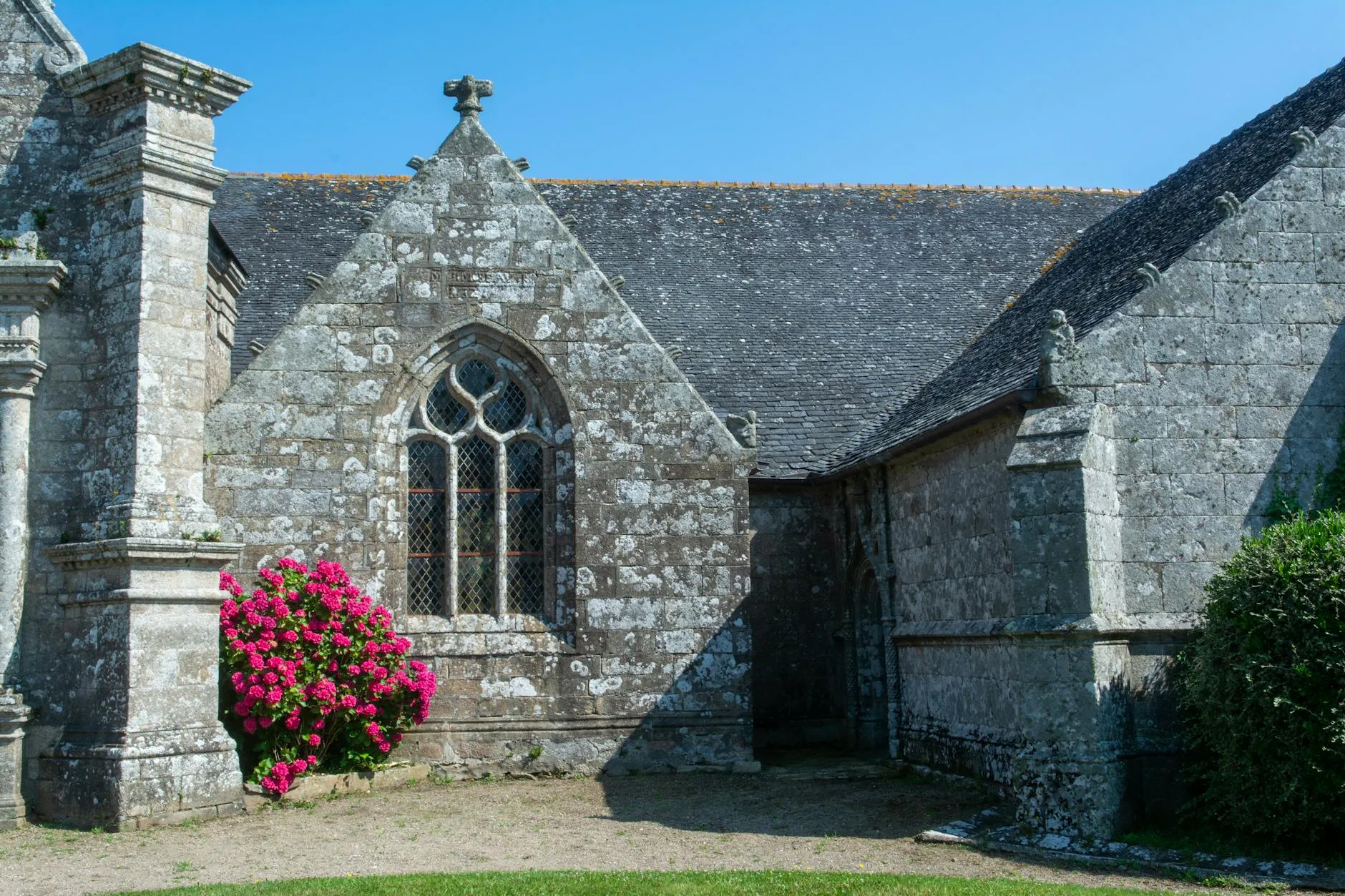 Vanier’s identity did not disappear after amalgamation; it changed shape and kept going.
Vanier’s modern identity only makes sense when you understand its historical arc. Research references consistently point to Eastview-era roots, the 1969 renaming to Vanier, and the 2001 amalgamation into the City of Ottawa framework. Those milestones are not trivia. They explain why the neighbourhood still feels culturally distinct.
You can still feel francophone continuity in daily life through bilingual signage, schools, community organizations, and social patterns that differ from many other parts of the city. Research snapshots repeatedly place local francophone share in a rough 25% to 30% range depending on boundary method and census cut.
One quote pattern that captures local sentiment well is this French-language pride framing: “Vanier est un quartier vivant, où on se sent chez soi malgré les changements.” That line comes up for a reason. Residents are not arguing that nothing changed. They are saying the neighbourhood did not lose its social core even as housing pressure and redevelopment accelerated.
Another resident sentiment pattern in research reflects the governance transition directly: “Pre-amalgamation, we had our own mayor; now it’s Ottawa’s rules, but our soul endures.” Whether you fully agree or not, the practical takeaway is useful: local identity in Vanier is not branding language; it affects how people organize, advocate, and choose to stay.
If cultural continuity matters in your neighbourhood decision, Vanier offers a different experience from polished but pricier enclaves. If your priority is only newest housing stock and quiet uniform blocks, you may lean elsewhere.
For a broader central-area comparison, cross-check with best neighbourhoods in Ottawa.
Montreal Road, Beechwood, and the Street-by-Street Reality
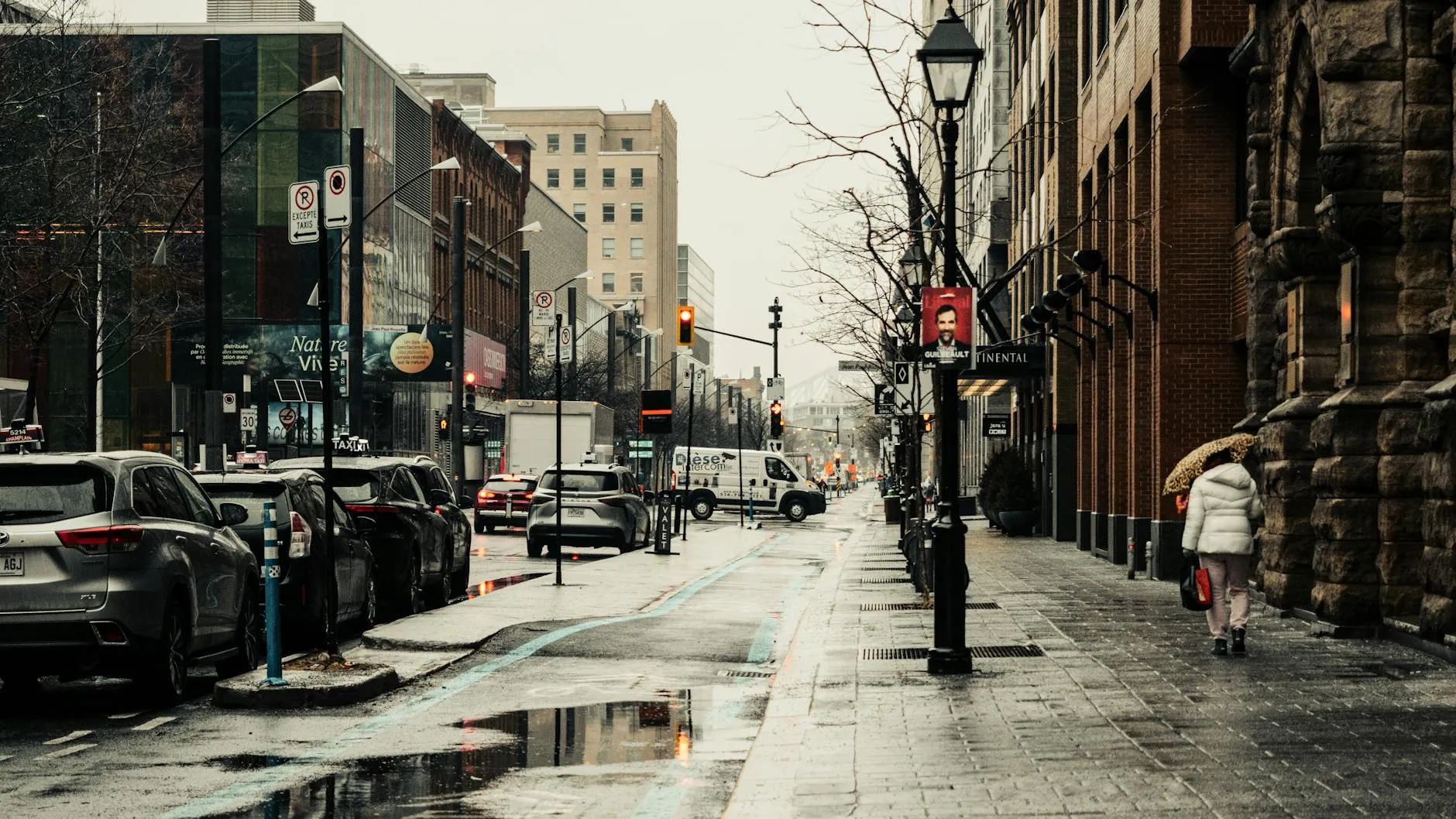 Montreal Road drives daily utility; Beechwood expands walkable options and cross-neighbourhood flow.
Vanier’s daily rhythm is shaped by corridors more than by abstract boundaries.
Montreal Road as practical spine
Montreal Road shows up consistently as the area’s core commercial and service axis. Day-to-day errands, food stops, small business services, and bus movement cluster here. That can be a strength if your routine is built around walkable utility. It can also mean higher noise and traffic friction on specific segments.
Beechwood as a connector, not just a border concept
In local planning terms, Beechwood is not a simple “other neighbourhood” line. It often works as a connector for shopping, cafés, and cross-river movement. For many residents, Vanier plus Beechwood access creates a blended daily footprint.
Sub-area context matters
Research references repeatedly mention local sub-area context including Kingsview Park, Cummings, and Laroche patterns. You do not need to memorize labels, but you do need to notice how street character changes:
- some pockets feel quieter and more residential
- some streets carry more through-traffic and service pressure
- some blocks show stronger renovation momentum than adjacent ones
This is why long-time residents keep repeating the same advice: in Vanier, street-level fit matters more than neighbourhood-level assumptions.
A simple field-test method before signing:
- Walk your target block in daylight on a weekday.
- Walk it again after dark on a weekday.
- Repeat once on a weekend evening.
- Note lighting, noise, transit flow, and general street behaviour.
That four-pass check usually tells you more than ten online opinions.
Housing and Affordability: What the Numbers Mean on the Ground
 Vanier’s affordability story is real, but only if you account for building condition and exact location.
Vanier is frequently framed as a relative affordability play for central Ottawa access, especially compared with Beechwood/New Edinburgh pockets or much of the Centretown edge.
Research snapshots commonly place one-bedroom rents around the high-$1,000s in many Vanier contexts, with variation by building age, renovation status, and block-level demand. Some listings push much higher when marketed as newly renovated or positioned near premium connectors.
The crucial point is not the median headline. It is variance.
Why variance is so high in Vanier
- older stock can offer better nominal price but come with maintenance risk
- recently updated units can price closer to more expensive neighbouring districts
- building management quality varies significantly
- micro-location (one block over) can change both noise and rent expectations
Gentrification pressure is real
Research and resident sentiment both point to redevelopment pressure and affordability concerns. As renewal projects move forward, households with tighter budgets may feel displacement risk even when neighbourhood branding speaks about “improvement.” Both things can be true at once.
Practical rent decision rule
Do not sign from neighbourhood averages alone. Build your own mini-comparison set:
- 5 recent listings within your exact target pocket
- 2 comparable listings in nearby Overbrook or Centretown edge
- estimated monthly transport delta for each location
That one-page comparison usually prevents expensive mistakes.
For city-level budget context beyond rent alone, review cost of living in Ottawa before finalizing your number.
Safety and Perception: Old Reputation vs Current Practice
 Vanier safety decisions work better with block-and-time analysis than with decade-old reputation.
Vanier safety conversation often gets flattened into one of two extremes: “it is totally unsafe” or “it is totally fine.” Neither is useful.
Research repeatedly stresses nuance:
- reputation in some circles still reflects older narratives
- current lived experience varies by block and by time window
- property-crime concerns remain part of local conversation
- many residents report ordinary, routine daily life without major incidents
That pattern is consistent with how many central urban neighbourhoods work. You can have improving conditions overall and still have streets that require stronger day-to-day caution habits.
Representative resident sentiment from research includes lines like: “Vanier’s rep is old news—walk my dog at midnight, no issue.” Other residents highlight uneven quality and caution around specific blocks after dark. Those two views are not contradictory. They reflect real micro-geography.
Practical safety workflow before you commit
- check current Ottawa Police information tools for your target area
- visit at the time you actually expect to be outside (not only daytime)
- ask current residents in your exact building about bike storage and package theft patterns
- evaluate path lighting to transit stops during winter dark hours
Day-to-day risk framing
For most households, the highest-likelihood friction points are usually practical property issues: bike theft risk, unsecured entries, and basic opportunistic incidents. Those are manageable if you choose building security features carefully and avoid lazy assumptions.
If your commute depends on evening winter travel, pair this section with winter driving safety in Ottawa and your transit backup plan.
Daily Infrastructure: Schools, Clinics, Groceries, Parks, and Community Services
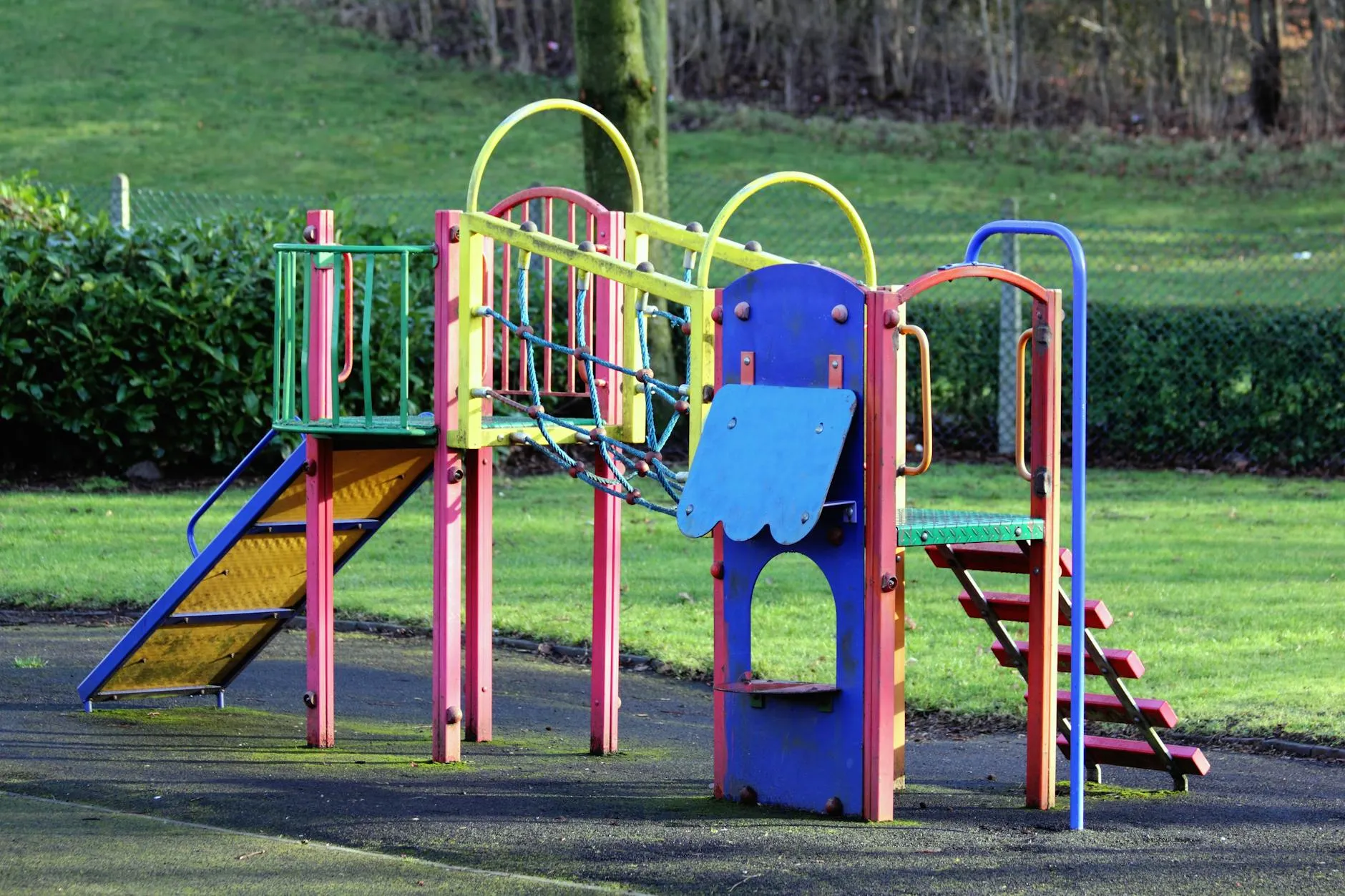 Vanier works best for households that actively use nearby services instead of driving across the city for everything.
Vanier’s strongest practical advantage is not one landmark. It is service density within a relatively compact area.
Schools and family logistics
Research highlights recurring references to local schooling options including francophone pathways and bilingual family routines. If education language stream is important for your household, Vanier gives you choices that can be harder to replicate in one tight central zone elsewhere.
For families comparing neighbourhood fit, do not stop at school ranking lists. Test pickup logistics, after-school activity routes, and winter sidewalk conditions around your likely route network.
You may also want to cross-check early childcare planning with finding daycare in Ottawa.
Health and everyday care access
Local community discussions repeatedly mention health, library, and neighbourhood support services as part of Vanier’s daily resilience. Access quality can still vary, but the presence of established community infrastructure is a material strength.
If your top concern is urgent access patterns across the city, use walk-in clinics in Ottawa as a companion reference.
Groceries and errands
Vanier is not trying to be a luxury retail district. Its utility is in practical daily shopping and mixed independent options. For many residents, that translates into faster weekday errand flow and less cross-city driving.
Parks and outdoor quality-of-life
Research consistently notes Rideau-river-linked outdoor spaces and neighbourhood parks as part of Vanier’s daily livability. You do not need destination-scale green space every day; you need reliable nearby places for walks, kids, and decompression.
If cycling is part of your weekly routine, pair Vanier route planning with cycling trails in Ottawa to map safer longer links.
Transit, Cycling, Driving, and Parking: Commute Reality in 2026
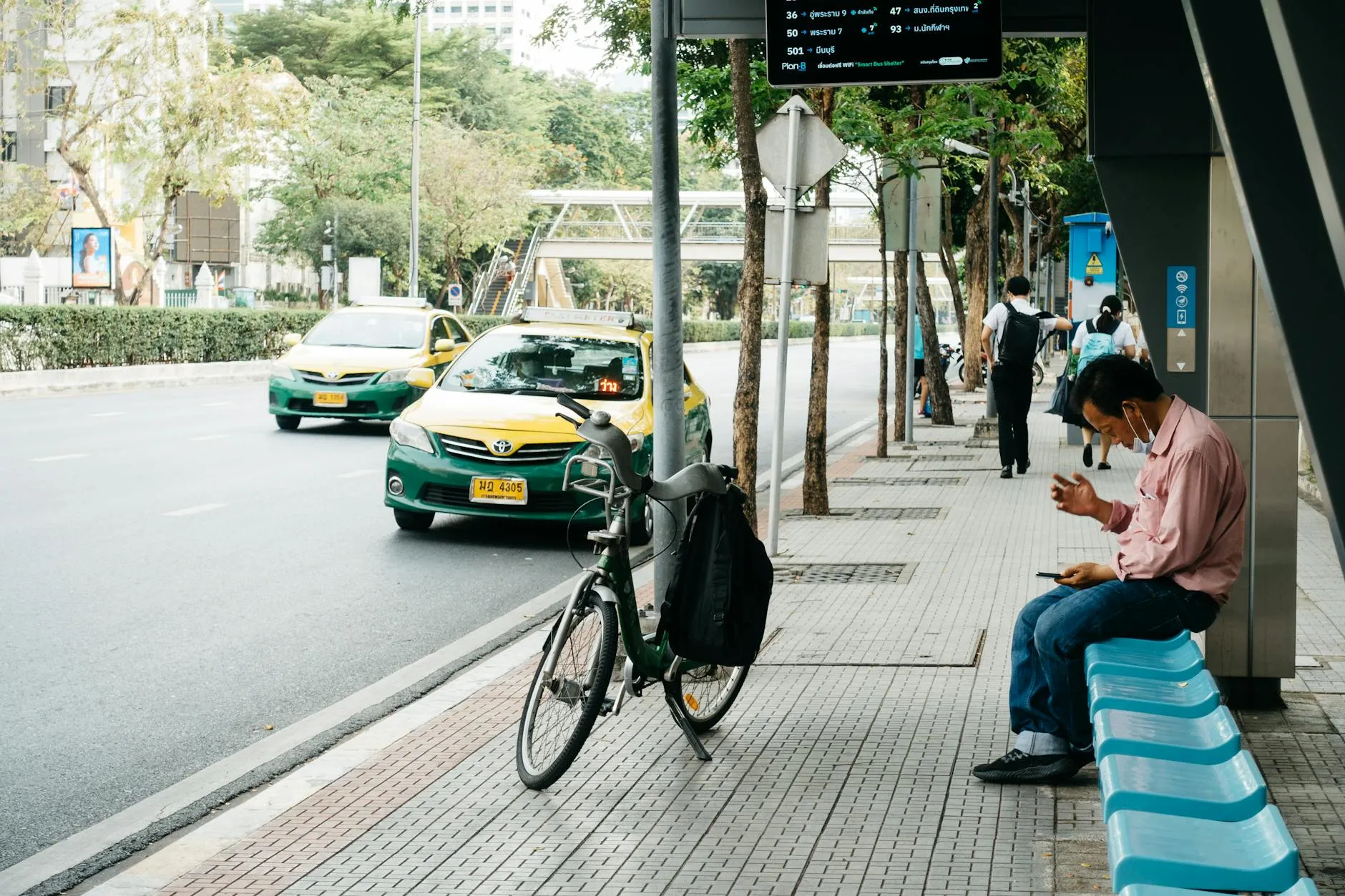 Vanier’s central position can save commute time, but winter and peak windows still change outcomes.
Vanier’s centrality is one of its clearest structural strengths.
Research and local usage patterns commonly frame Vanier as a short downtown commute by transit or bike relative to outer suburbs. In real life, that can mean easier weekday time management, especially if your schedule changes often.
Transit
Transit is generally workable from Vanier for core-oriented routes, but reliability in winter and peak windows still affects trip consistency. That is normal Ottawa behaviour, not Vanier-specific failure.
If transit is make-or-break for you, validate routes in live tools before signing and keep one alternate route in your routine. Start with Ottawa LRT and O-Train guide context, then confirm current route performance in OC Transpo’s real-time systems.
Cycling
Bike access to central Ottawa can be a major quality-of-life win from Vanier when weather cooperates. Shoulder seasons and winter maintenance can change comfort level quickly, so your best plan includes seasonal route adjustments.
Driving and parking
Parking reality is mixed by street and building. Metered commercial stretches can add routine cost friction, while building-specific parking access can either remove stress or create it depending on availability.
Before choosing your unit, ask four direct parking questions:
- Is on-site parking guaranteed or waitlisted?
- What is the monthly cost and contract term?
- What is winter snow-clearing responsibility?
- What are nearby overnight restrictions?
Those four answers matter more than the brochure phrase “parking available.”
Vanier vs Nearby Alternatives: Straight Trade-Offs
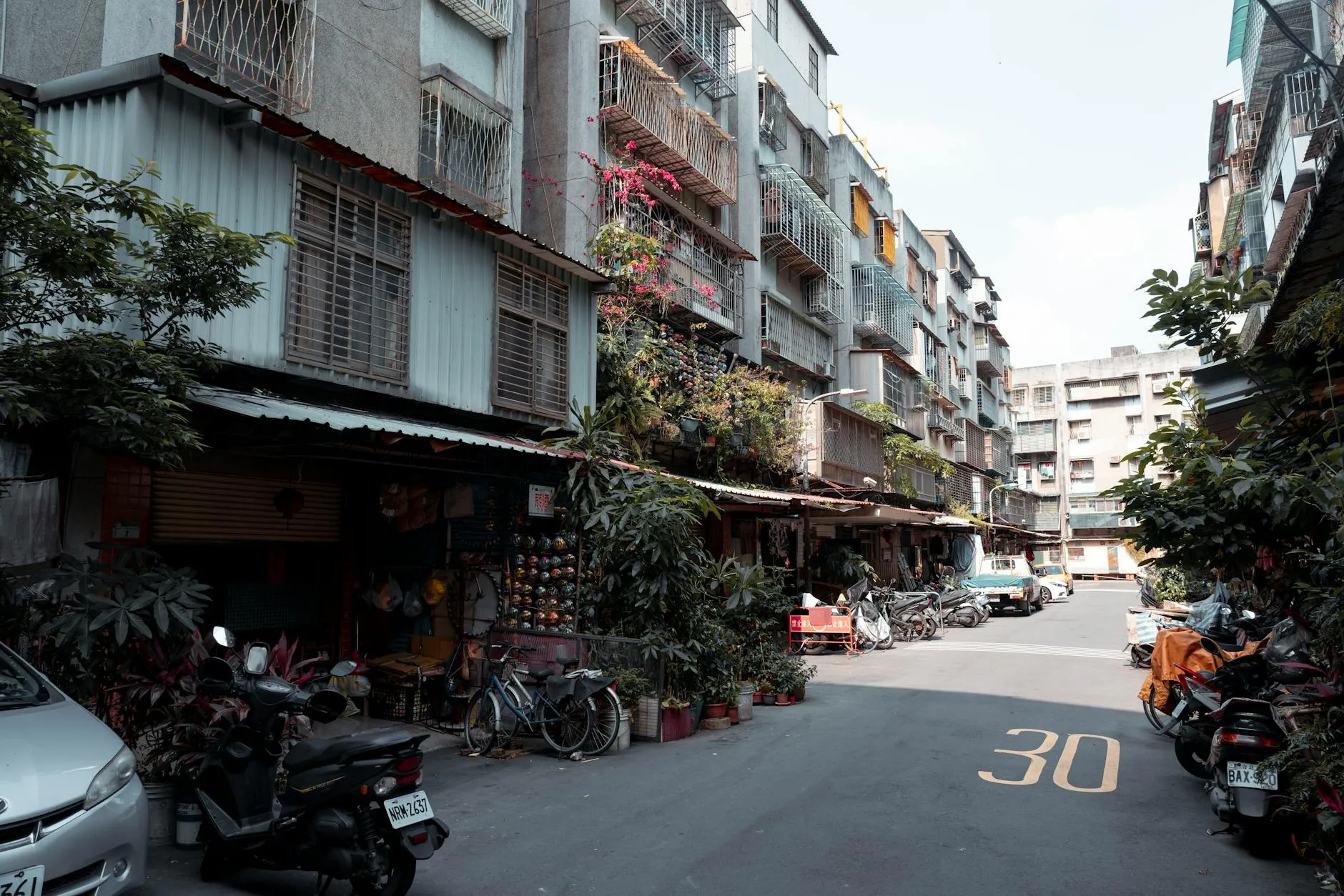 There is no universally “best” area. There is only best fit for your budget, schedule, and tolerance profile.
Vanier usually enters the shortlist with three nearby alternatives: Beechwood/New Edinburgh context, Overbrook context, and Centretown-edge context.
| Area | Typical Cost Direction | Commute Access to Core | Street Feel | Main Trade-Off |
|---|---|---|---|---|
| Vanier | Mid-range for central location | Strong for transit/bike/car mix | Mixed block-by-block, culturally distinct | Need careful micro-location choice |
| Beechwood / New Edinburgh | Higher | Strong | More polished, quieter pockets | Higher entry price |
| Overbrook | Often budget-adjacent | Good to moderate | Similar practical variability | Different safety and service trade-offs |
| Centretown Edge | Higher on average | Very strong | Dense urban convenience | Cost and noise pressure |
When Vanier is the right strategic choice
Vanier tends to win for people who want:
- central access without paying peak core premium
- bilingual/francophone community context
- practical daily-service density
- flexibility between transit, bike, and car
When it is not the right fit
You may prefer another area if you need:
- consistently quiet, polished streetscape everywhere
- newest housing stock only
- very low tolerance for mixed urban street conditions
For a broader side-by-side lens, compare with Westboro neighbourhood context and other core-adjacent options in your budget tier.
Who Should Choose Vanier (and Who Should Skip)
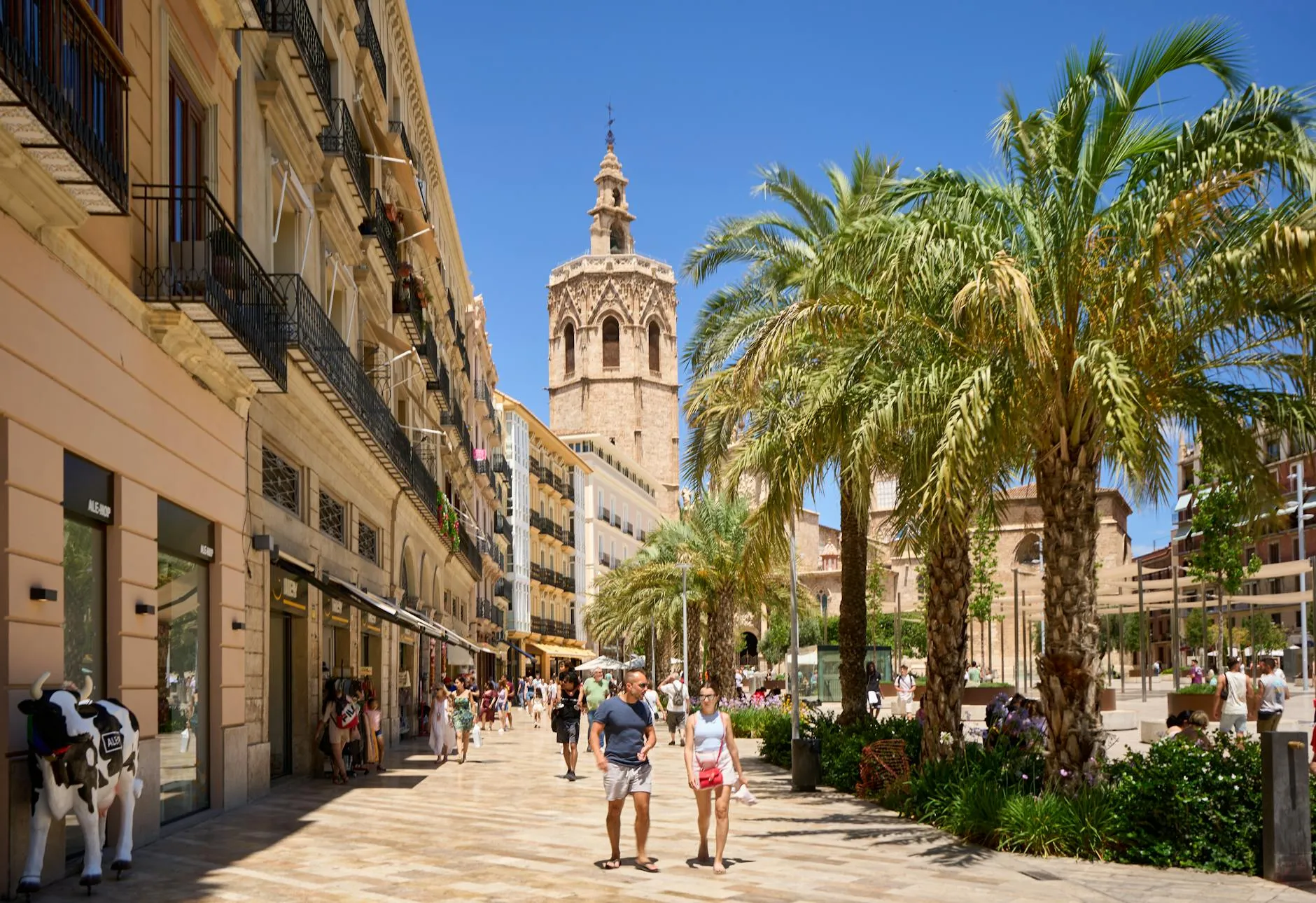 Vanier fits people who plan deliberately, not people who assume all central neighbourhoods behave the same way.
Usually a strong fit
Budget-aware renters wanting central access: If your monthly budget cannot comfortably absorb premium core pricing but you still need central location efficiency, Vanier can be a strong value play.
Households that value bilingual or francophone context: Vanier’s social and institutional fabric still reflects that identity in practical ways.
Workers with variable schedules: If your daily timing changes, Vanier’s location and mixed mobility options can reduce routine failure.
Usually a weaker fit
People who want uniformly polished street character: Vanier is not uniform. If you need complete visual and behavioural consistency across every nearby block, you may be happier in higher-cost alternatives.
People who will not do any block-level due diligence: In Vanier, skipping due diligence is expensive. Street-level mismatch drives most post-lease regret.
One-minute fit test
If you answer “yes” to at least three of these, Vanier probably deserves serious consideration:
- I value central access more than neighbourhood image.
- I can do proper street-level checks before signing.
- I am comfortable with mixed urban character.
- I want practical services near home.
- I care about bilingual/francophone community presence.
Your First 90 Days in Vanier: A Practical Setup Plan
 The first three months decide whether Vanier feels efficient or chaotic.
A simple timeline reduces friction fast.
Days 1 to 30: lock fundamentals
- validate your primary and backup commute routes (workdays and weekends)
- test grocery and pharmacy flow on your actual schedule
- register local essentials (library, healthcare waitlists where needed)
- identify safe indoor bike storage or adjust lock setup immediately
Days 31 to 60: optimize routines
- shift errands to lower-friction windows
- finalize your winter route pattern before heavy conditions hit
- join at least one local community channel to track hyper-local updates
- test evening walk routes for lighting and comfort
Days 61 to 90: pressure-test long-term fit
- review your true monthly costs (rent, transport, parking, misc.)
- evaluate noise and sleep quality over several weekday/weekend cycles
- decide whether your block is long-term viable or only short-term workable
Four things to verify directly before any lease renewal
- Current rent comps on your exact micro-area
- Latest official safety trend data from Ottawa sources
- Live transit reliability for your specific route windows
- Current city development timelines affecting your corridor
That four-point review keeps expectations realistic and prevents “this changed faster than expected” surprises.
Frequently Asked Questions About Vanier
Is Vanier a safe place to live in 2026?
Vanier safety is best evaluated by block and by time window, not by old citywide reputation. Many residents report normal daily routines, while others still flag property-crime concerns on specific corridors. The practical move is to review official Ottawa data and do in-person daytime and evening checks before signing.
Is Vanier still strongly francophone?
Yes, Vanier still has a clear francophone presence, even as demographics evolve. Research snapshots commonly place francophone share above Ottawa’s citywide average, and bilingual cultural life remains visible in schools, organizations, and daily community patterns.
Is Vanier cheaper than Centretown?
Often, yes in relative terms, especially for comparable unit size. However, the gap changes by building condition and exact location. Some renovated Vanier units can price closer to central premiums, so use direct listing comparisons instead of assumptions.
What is a realistic rent expectation for a one-bedroom in Vanier?
Late-2025 research snapshots often place one-bedroom listings in the high-$1,000s, but current pricing can move quickly. Verify live listings and include total monthly cost (parking, utilities, transport) before deciding.
Is Vanier better than Beechwood or New Edinburgh?
“Better” depends on priorities. Beechwood/New Edinburgh usually offers a more polished streetscape but at higher cost. Vanier often offers better value for mixed-budget households that prioritize access and practical services over image consistency.
Is Vanier good for families?
It can be, especially for families who value central access, nearby parks, and bilingual service context. Fit still depends on exact block, school route logistics, and housing condition, so walk-through checks are essential.
How is parking in Vanier?
Parking conditions vary a lot by building and corridor. Some areas are manageable; others create recurring cost and availability friction. Confirm on-site options, waitlists, winter clearing rules, and overnight restrictions before signing.
Is transit from Vanier to downtown reliable?
Transit is generally workable and often faster than outer-suburb commutes, but winter weather and peak windows can add variance. Always test your real route at your real departure times rather than relying only on schedule tables.
Is Vanier a good choice for newcomers to Ottawa?
For many newcomers, yes, especially when budget and central access both matter. Vanier offers useful service density and city integration, but newcomers should invest extra time in street-level checks and lease condition review.
What is the most common mistake people make when choosing Vanier?
The most common mistake is selecting based on neighbourhood label only. In Vanier, block-level fit matters more than broad branding. People who skip evening walk-throughs and building-condition checks are the ones who feel regret later.
How does Vanier compare with Overbrook?
Both can appeal to budget-aware households near central corridors, but trade-offs differ by street network, services, and perceived safety patterns. Compare specific listings and commute routes rather than choosing by name recognition.
Should I buy in Vanier or rent first?
If you are new to Vanier, renting first can be the safer approach. A one-year rental lets you validate street-level fit, commute rhythm, and long-term comfort before making a purchase decision in a changing local market.
Final Summary
Vanier remains one of Ottawa’s most practical and most misunderstood neighbourhood choices. It is practical because location, service density, and transit flexibility can materially improve day-to-day life for people who need central access without always paying top-tier core premiums. It is misunderstood because old reputation and oversimplified narratives still hide how much outcomes depend on exact block and building.
If you do proper due diligence, Vanier can be an excellent fit. If you skip that due diligence, you can still end up in a mismatch despite choosing a neighbourhood with strong fundamentals. The difference is not luck. It is process.
Use this guide as a checklist, not just a read. Walk the street at your actual hours, verify rent and parking in writing, test your commute in winter conditions, and make your decision from real operational data. That is how Vanier works in real life.