
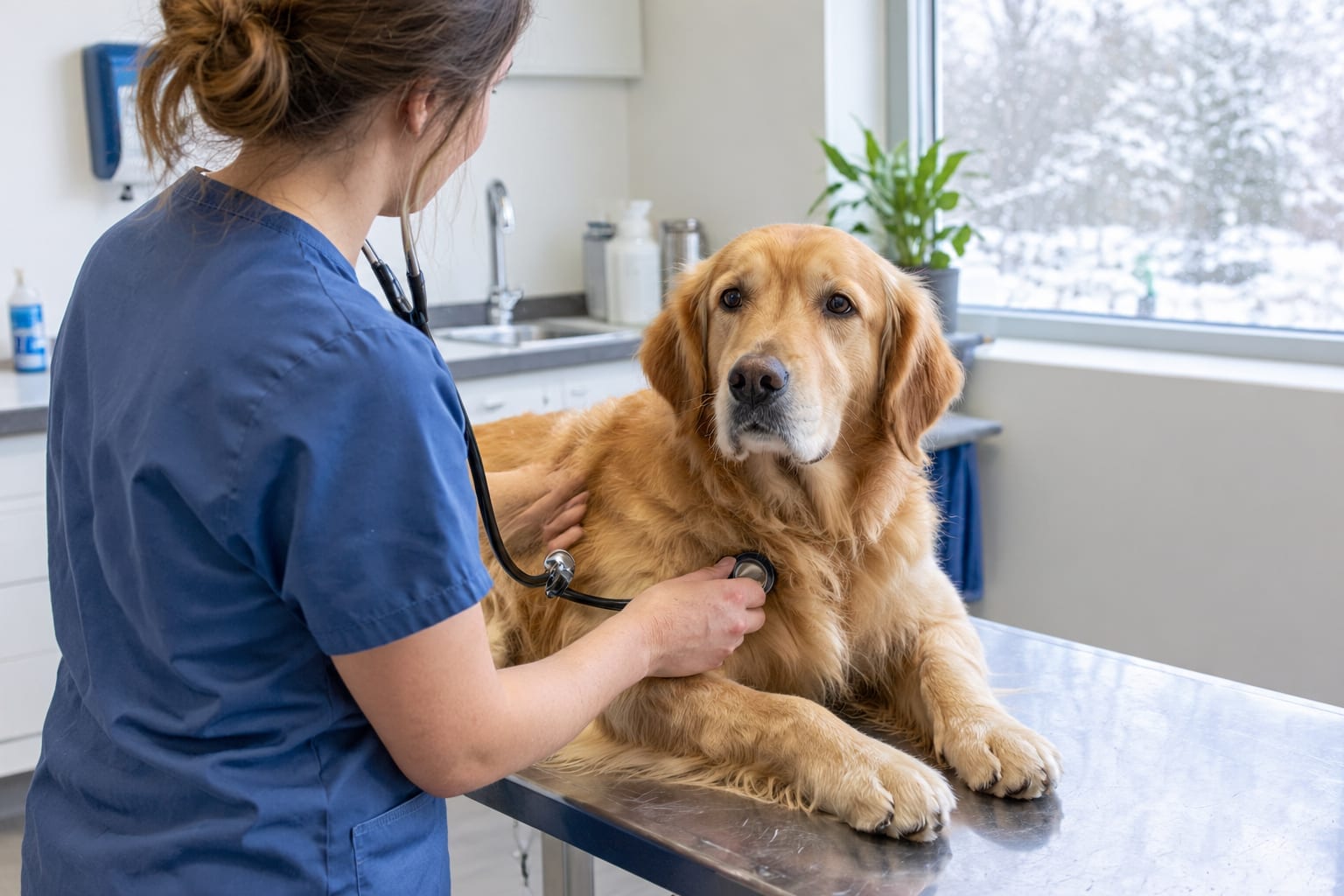
Nobody publishes one price list for every veterinary clinic in Ottawa, so the honest answer to "what will this cost?" is a range, a written estimate and a few places where the number is lower.
Vet costs in Ottawa depend on the clinic, the animal's weight and what the veterinarian finds on the day. This guide collects the figures that charities, the City of Ottawa and the Ontario SPCA actually publish (all checked when this guide was written), and says plainly where a figure comes from outside the city. It also covers the rules that carry a price tag of their own: rabies vaccination and the City's pet registration. After that come after-hours care, holiday food dangers, pet insurance and low-cost programs.
Key Highlights
TL;DR: Ontario law requires rabies vaccination for dogs, cats and ferrets aged three months and older, and the City of Ottawa requires every dog and cat to be registered. The Ottawa Humane Society runs $50 wellness clinics for income-qualified owners. Ask any clinic for a written estimate before treatment, and find out now where your pet would go after hours.
| Quick Facts | Details |
|---|---|
| 📅 Rabies rule | Dogs, cats and ferrets three months and older (Ontario Regulation 567) |
| 🎟️ City registration fee | $22 or $42 per pet, depending on age and whether the pet is sterilized (fees effective January 1, 2026) |
| 📍 Low-cost wellness clinic | Ottawa Humane Society, 245 West Hunt Club Road, $50 per pet if you qualify |
| 🎟️ Low-cost cat spay/neuter | $100 per cat through the Ottawa Humane Society, income-qualified |
| ⏰ After hours | Call your own veterinarian first; the Ottawa Humane Society lists after-hours emergency clinics on its site |
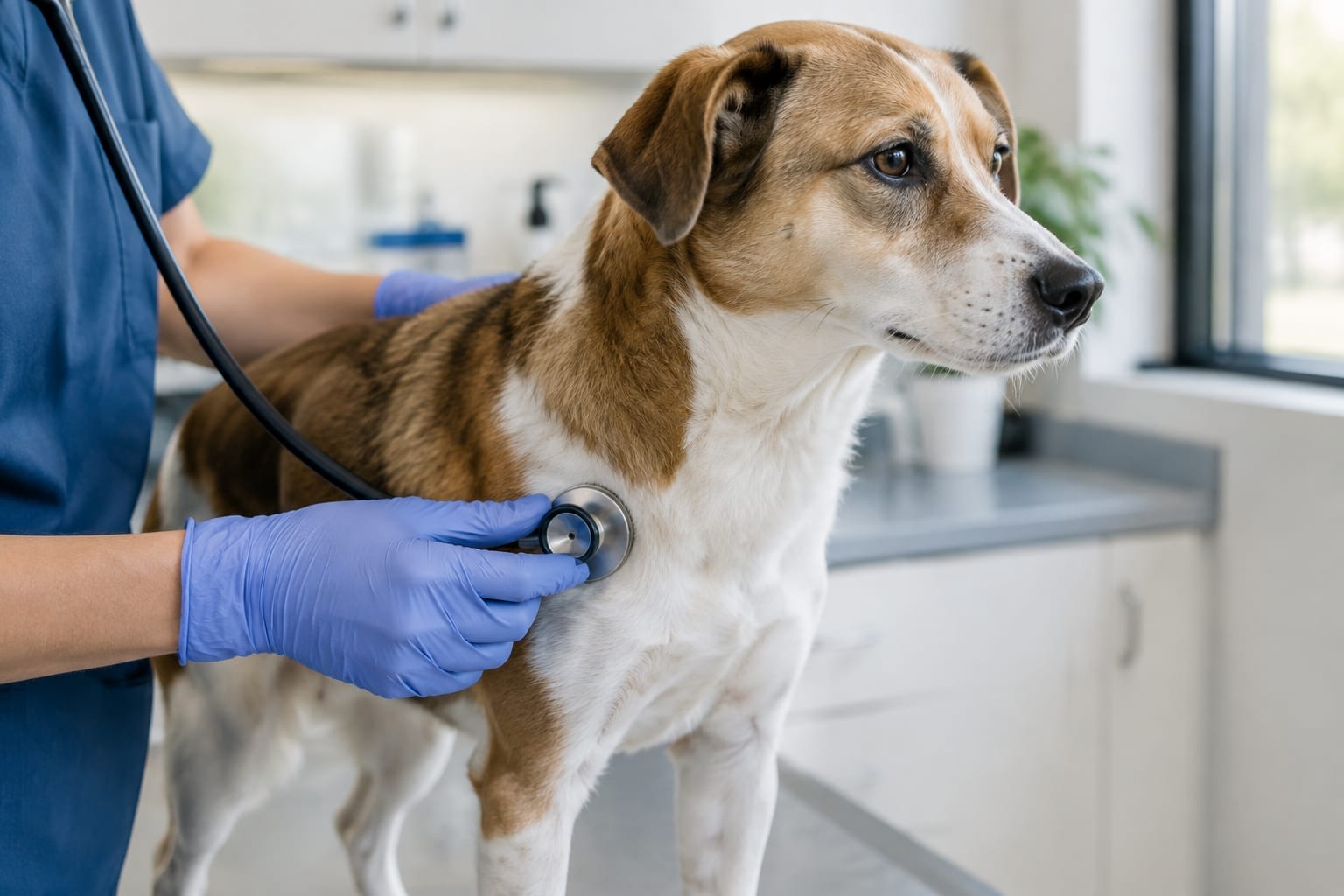
Browse every clinic in our Ottawa veterinarians directory (79 listings), and check a veterinarian's registration with the College of Veterinarians of Ontario register.
Veterinarian Costs for Wellness Exams and Vaccines in Ottawa

The fees that are easiest to find come from non-profits that publish them. The Ontario SPCA lists its 2026 fees for basic care: a wellness exam is $60, and each of the rabies, FVRCP, DA2PP, leptospirosis and bordetella vaccines is $33. A microchip is $36. At those rates a dog's exam, rabies shot and DA2PP shot come to $126 before bloodwork or parasite tests.
Keep one caveat in view. None of the Ontario SPCA's five clinics is in Ottawa (they are in Barrie, Stouffville, Sudbury, Thunder Bay and Whitby), and the charity says they cannot treat sick or injured animals. Treat those prices as a charity benchmark, not an Ottawa average.
The Ottawa Humane Society (OHS) gives a second reference. In the table that compares its adoption price with what it calls market price, it estimates a health check at $105, each vaccine at $32, parasite treatment at $30 and a microchip at $137. These are the OHS's own estimates, not a survey, so use them as a sanity check on a quote rather than a ceiling.
For anything beyond routine care, ask for a written estimate. The College of Veterinarians of Ontario (CVO), the regulator, says in its guide to informed client consent that written cost estimates help clients understand the financial side of a procedure. It adds that a range of total costs is advisable for complex work, and that the scope and cost can grow with what turns up during the procedure.
If you do not yet have a veterinarian, the OHS suggests choosing for hours, distance and the species a clinic is comfortable with, and it points owners to the CVO register rather than recommending a clinic. Our dog-friendly Ottawa guide covers the other side of pet life, from patios to trails.
Spay, Neuter and Dental Costs for Dogs and Cats
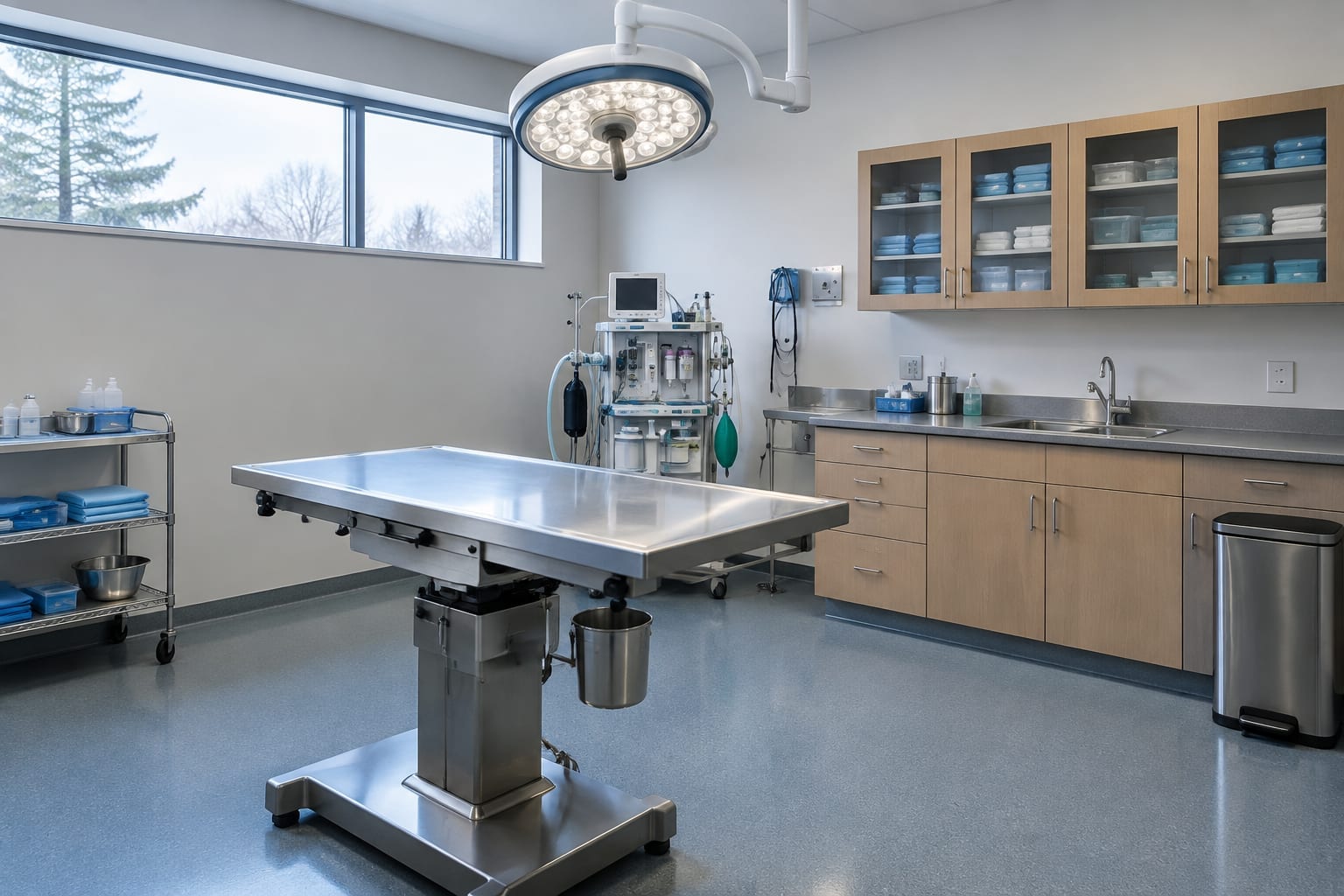
Spay and neuter surgery is where the gap between low-cost programs and a general clinic is widest, and where published numbers are easiest to find.
Spay and neuter. The City of Ottawa runs its own Spay/Neuter Clinic at 26 Concourse Gate, Unit 5, in the Colonnade Business Park. It describes the clinic as a revenue-neutral, not-for-profit service that sterilizes and microchips dogs and cats during surgery, with fees set by City Council in the annual budget. Surgery admissions run Monday to Thursday, 7:30 to 8:40 a.m., and discharges 2:30 to 3:30 p.m. The clinic is closed Friday to Sunday and on statutory holidays, and it takes no walk-ins. The City's fee page was not available to us, so check the City's Spay/Neuter Clinic page for current fees.
The OHS offers cat spay and neuter surgery for $100 per cat, including an optional microchip, to income-qualified Ottawa owners. Cats must be four months to eight years old, and appointments are limited to two cats per household.
For comparison, the Ontario SPCA's 2026 fee schedule lists a feline spay at $282 and a feline neuter at $227, a dog spay at $500 and a dog neuter at $416, with $75 added for dogs over 34 kg (75 lb). The OHS's own market-price estimate for sterilization is $762 for a cat and $909 for a dog. Those figures sit far apart, so ask each clinic what its price includes (exam, anesthesia, pain medication, microchip, take-home medication).
Dental care. The Ontario Veterinary Medical Association says dental disease often goes unnoticed but affects more than 80 per cent of cats and dogs over the age of three. A professional cleaning is a surgical procedure under general anesthesia, which is why it costs more than people expect. The Ontario SPCA's dental page (its York Region clinic in Stouffville, again not in Ottawa) shows how the bill climbs with the work involved:
- A cat's cleaning with no extractions is $390, rising through five levels to $1,435 for complex extractions.
- A dog's cleaning with no extractions is $465, rising to $1,705 at the top level, with a minor-extraction level at $835 and a major-extraction level at $1,425.
- Pre-anesthetic bloodwork is extra ($145 for a panel), and so are extra medications.
- A non-refundable 50 per cent deposit, based on the low end of the estimate, books the surgery date.
That clinic's dental registration was temporarily closed at the time of writing. The lesson holds anywhere: a cleaning quote is an estimate that depends on the extractions, so ask for the range up front.
Rabies Vaccination Rules and the City of Ottawa Pet Registration
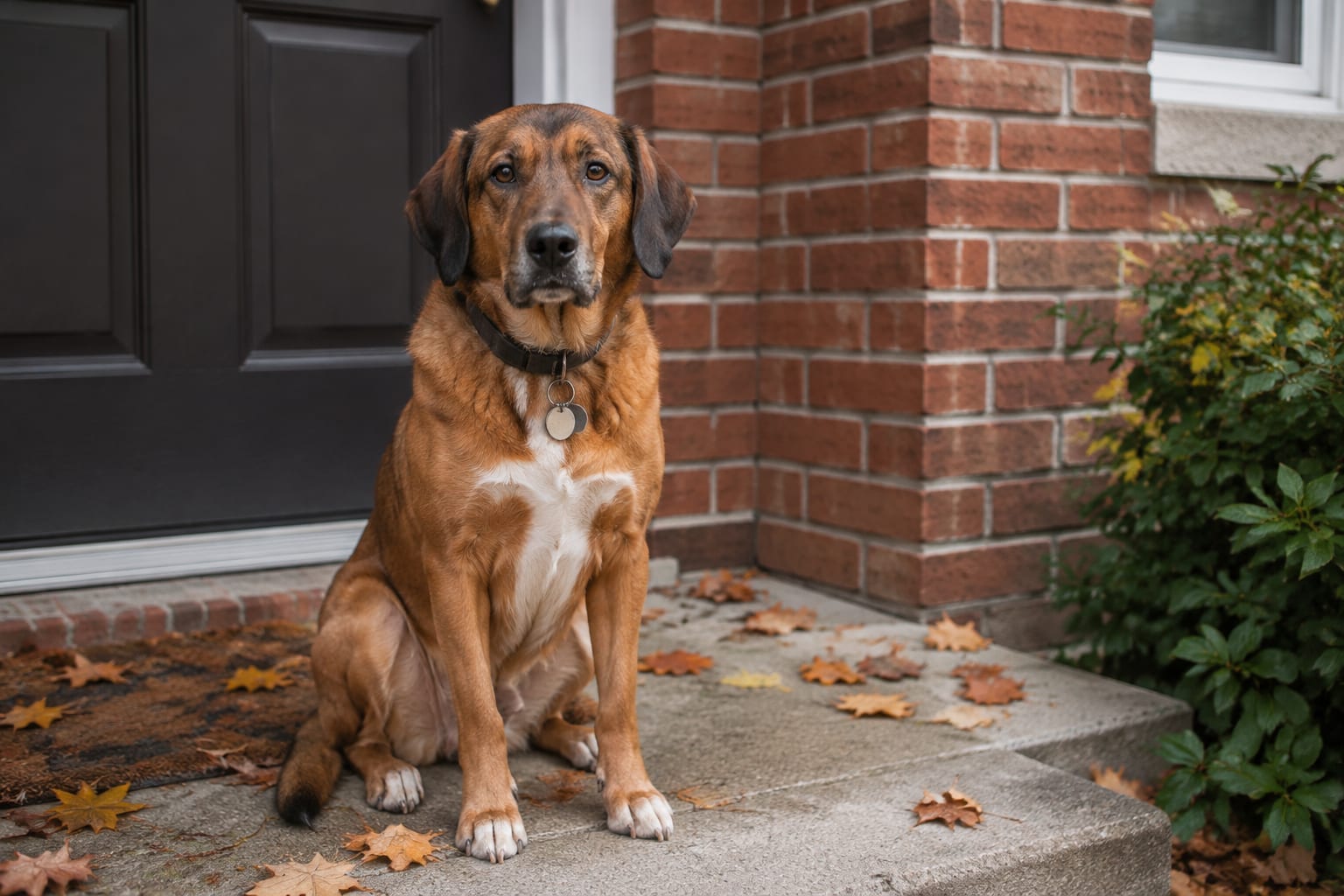
Two separate rules put a vaccination certificate and a tag on every pet in the city.
Rabies, under provincial law. Ontario Regulation 567 (Rabies Immunization) says every owner or person caring for a cat, dog or ferret aged three months or over must make sure it is immunized against rabies, and re-immunized by the date on its certificate. A veterinarian, or someone the veterinarian authorizes, must give the shot, and the owner must receive a signed certificate and a rabies tag. If a medical condition makes vaccination unsafe, a veterinarian can issue a statement of exemption. On request, you must show the certificate or the exemption to a medical officer of health or a public health inspector.
The CVO adds practical points. Owners cannot buy rabies vaccine themselves, because federal rules bar its sale to anyone but a veterinarian. A titre test cannot replace the shot. A pet that has bitten a person in the past 10 days should not be vaccinated until public health releases it from its observation period, and veterinarians must report bites that could expose a person to rabies. An animal vaccinated outside Canada and the United States must be re-immunized in Ontario. Rabies shots are a standard part of the $50 OHS wellness visit and the $33 Ontario SPCA price noted above.
Pet registration, under City rules. The City of Ottawa requires cat and dog owners to register their pets and to renew every year. Many people call this a pet licence. You get a numbered metal tag to wear on your pet's collar or harness. Fees, effective January 1, 2026, are:
| Description | Fee |
|---|---|
| Cat or dog under 6 months, unsterilized | $22 |
| Cat or dog 6 months or older, sterilized | $22 |
| Cat or dog 6 months or older, unsterilized | $42 |
| Dog whose owner was convicted of permitting an unprovoked bite or attack | $104 |
| Service animal | Free |
| First replacement tag | Free |
| Each additional replacement tag | $10 |
Registration fees are non-refundable. You can register or renew online through My ServiceOttawa, or in person at the Laurier Client Service Centre (110 Laurier Avenue West), the Nepean Client Service Centre (101 Centrepointe Drive) or the Orleans Client Service Centre (255 Centrum Boulevard), Monday to Friday, 8:30 a.m. to 4:30 p.m. Rural centres open one day a week. The fee table also shows that a sterilized pet over six months old pays $22 instead of $42.
For other local rules on leashes and parks, see our Ottawa dog parks guide.
After-Hours and Emergency Veterinary Care in Ottawa

Plan this before you need it. Evenings, weekends and holidays are when a clinic's regular hours do not help.
Start with your own veterinarian. Under Regulation 1093 of the Veterinarians Act, as summarized by the CVO, a veterinarian must provide reasonably prompt after-hours services that are medically necessary for animals they have recently treated or treat regularly. They can do it themselves, share on-call duty with another clinic, or refer you to an accredited emergency clinic. They must tell clients how to reach after-hours care and tell them promptly if that changes. If you are referred to an emergency clinic, your own veterinarian remains responsible for follow-up care after the animal is discharged until you have had a reasonable chance to arrange another veterinarian. The answering-machine message at your clinic is therefore your first piece of emergency information. Save that number in your phone.
Find an emergency hospital in advance. The OHS keeps a page headed "After Hours Emergency Clinics in Ottawa" listing eight clinics with addresses and phone numbers, for pets in immediate medical danger. We name none of them here: this category's businesses are listed in our Ottawa veterinarians directory, and the OHS page is the better place to confirm what is open tonight. Call ahead. The OVMA noted in November 2023 that emergency clinics and referral centres were seeing longer-than-normal waits, and it urged owners with a concern not to wait to get care.
How a referral to an emergency animal hospital works. The Ontario Veterinary College's teaching hospital in Guelph publishes its process, which is a useful model of what to expect. The referring veterinarian first confirms the hospital can accept the patient. The pet's medical history, test results and x-rays are sent ahead, a client-signed intake form is completed, and the clinic is told the expected arrival time. Same-day imaging such as ultrasound, CT or MRI is not guaranteed, and when a hospital is at capacity it may divert a stable patient elsewhere. Ottawa hospitals set their own procedures, so ask the one you call.
What to bring. Bring whatever records you have (vaccination certificate, medication list, recent test results, x-rays), a way to pay, and your own contact details. For a poisoning, note what your pet ate, how much and when, and bring the package if you have it. The ASPCA tells owners to note the amount ingested before contacting a veterinarian. A carrier for a cat or a leash for a dog is simple common sense on the way in.
Typical deposit practice. There is no Ontario rule on deposits that we could find. For hospitalization, the OVC teaching hospital requires one half of the estimated charge for companion animal referrals at the time of hospitalization, with the balance at discharge. It accepts cash, certified cheque, credit card and direct debit, and says its rates are typically comparable to a private referral practice. The Ontario SPCA asks for a deposit at booking for its scheduled care. Expect a deposit conversation at an emergency hospital, and ask for the estimate in writing, as the CVO's consent guide recommends for complex interventions.
If you find an injured animal. For a sick or injured stray or a wild animal, call the City of Ottawa at 311. If an animal is in immediate danger from cruelty or neglect, call 911, or report neglect to Ontario's Animal Welfare Services at 1-833-9ANIMAL.
If you cannot afford treatment. The OHS says it cannot provide medical help to owned animals beyond its programs. For an animal in immediate distress whose owner cannot afford treatment or humane euthanasia, it says the owner can surrender the animal to the OHS for humane euthanasia. Before it comes to that, see the low-cost options below, and talk to a veterinarian about payment and treatment choices.
Holiday Food Dangers for Dogs and Cats

A plate left within reach can turn a family dinner into an emergency visit. The ASPCA's poison control experts list common people foods to keep away from pets, and the Ottawa Humane Society's holiday tips add the season's other hazards.
- Chocolate, coffee and caffeine. The darker the chocolate, the greater the risk; baking chocolate and cocoa powder have the highest concentrations. The OHS warns that a wrapped box of chocolates under the tree is within a pet's reach.
- Xylitol. This sweetener appears in gum, candy, baked goods and toothpaste, and can cause low blood sugar and liver damage.
- Grapes and raisins. They can lead to kidney damage in dogs, so keep fruitcake and mince tarts off the floor.
- Onion, garlic and chives. They can damage red blood cells; cats are more susceptible, though dogs are also at risk.
- Alcohol and raw yeast dough. Rising dough can bloat the stomach, and it produces alcohol as it ferments.
- Fatty and salty food. Nuts, rich scraps and very salty food can cause vomiting, pancreatitis or salt toxicity. Macadamia nuts can cause weakness, tremors and vomiting in dogs.
- Bones. The OHS says bones in meat can lead to serious complications or death, and the ASPCA warns of gut obstruction.
Beyond the table, the OHS advises avoiding tinsel (swallowed strands can cause serious injury and expensive surgery), blocking access to the tree-stand water, securing electrical cords, and keeping pets away from mistletoe, holly, poinsettias and amaryllis. Discard wrapping paper and ribbon after unwrapping. If you suspect your pet ate something toxic, call your veterinarian or an emergency clinic right away rather than waiting for symptoms. More everyday hazards, from antifreeze to ticks, are in our Ottawa pet safety guide.
Pet Insurance: What to Check Before You Buy

Insurance does not lower vet prices, but it can change how a large bill lands. The OHS notes on its adoption page that families sometimes surrender a pet because of an unexpected expense, and it gives every dog and cat adopter a six-week trial of pet health insurance from a partner insurer. Its published trial terms are a useful example of how these policies are built: coverage up to a maximum payable of $500 for new accidents and illnesses, 80 per cent reimbursement of eligible bills less a $100 per-incident deductible, and a 48-hour waiting period from the day the pet goes home.
Those four pieces are what to compare in any policy. The Financial Consumer Agency of Canada explains the general rules of insurance, which apply here:
- A policy is a legal contract that spells out what the insurer covers and when it pays.
- A deductible is the part of a claim you pay first. The agency's example: a $2,000 claim with a $500 deductible means the insurer pays $1,500.
- Exclusions are things a policy does not cover, such as medical conditions you had before you applied.
So read the waiting period, the annual and per-incident limits, the deductible and the exclusions list before you buy, and ask what counts as pre-existing. Insurers are regulated federally or provincially, and a provincial insurance regulator can help you confirm that an insurer, agent or broker is licensed. The agency also says insurers set premiums by how likely they think a claim is, so timing and health history matter. We do not recommend a provider here.
Low-Cost Veterinary Options in Ottawa
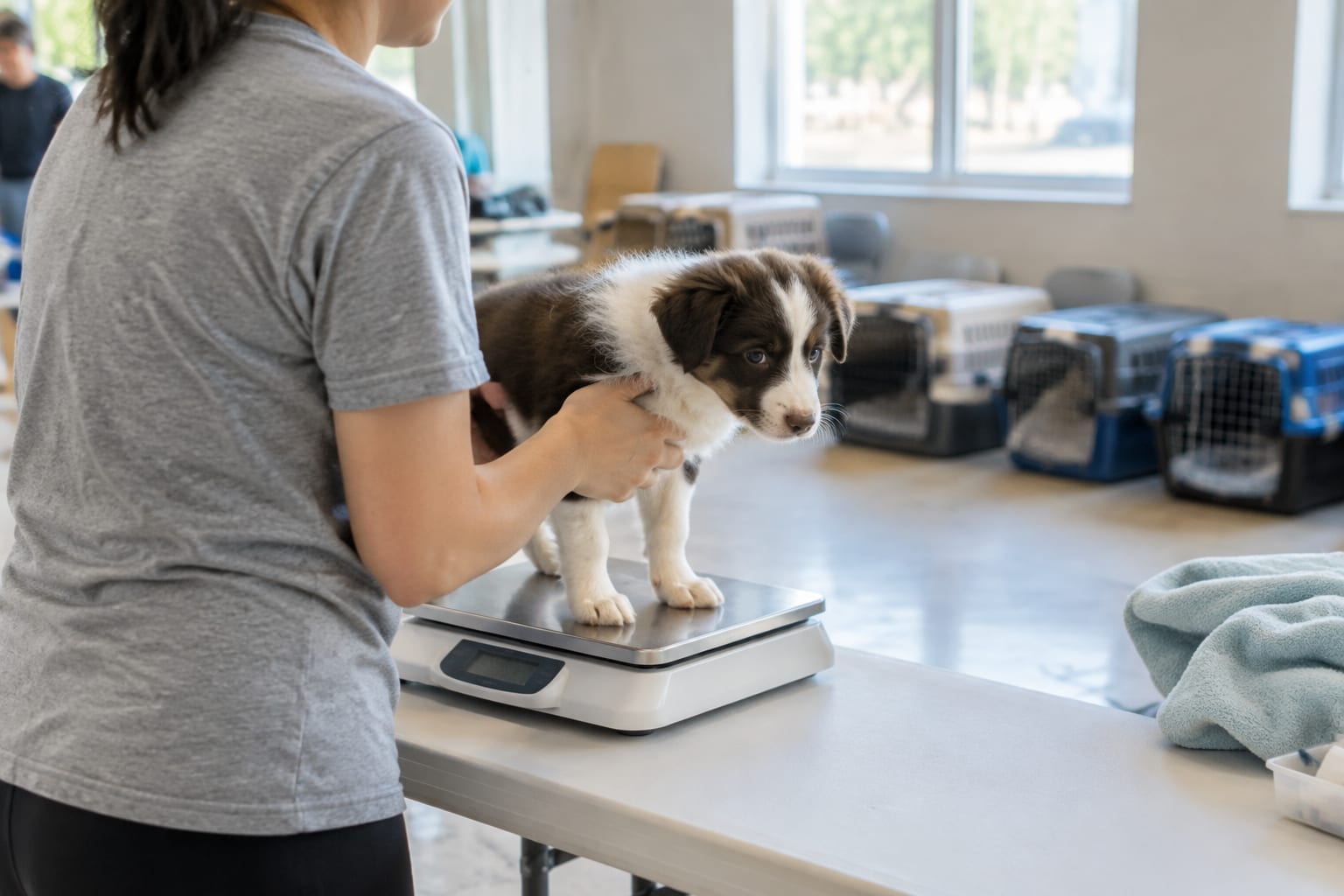
If cost keeps your pet from care, these programs from non-profits and the City are the first places to look. Each has eligibility rules, so check the official page before you go.
Ottawa Humane Society wellness clinics. The OHS offers low-cost preventive appointments for dogs and cats at its shelter at 245 West Hunt Club Road and in the community. The $50 fee per pet covers a wellness exam with a veterinarian (mandatory), core vaccines and rabies, deworming, a microchip and ear cleaning as needed; minor medication adds $10. To qualify, you must live in the City of Ottawa and meet one of these conditions: enrolment in ODSP or Ontario Works, enrolment in the Resettlement Assistance Program, receipt of the Guaranteed Income Supplement, annual income below $35,000 (a Notice of Assessment is required), or a letter or referral from a social worker, social service agency or qualified City employee. Pets must be between two months and 12 years old and in good general health, and each household can book two pets at most. The clinics cannot see sick or injured pets or give follow-ups or boosters. Appointments are first-come, first-served, and you can email communityservices@ottawahumane.ca or call 613-725-3166, extension 249.
OHS community spay and neuter for cats. For income-qualified owners, the cost is $100 per cat, including an optional microchip, with limited appointments at the shelter. Check the OHS spay and neuter page for current availability.
City of Ottawa Spay/Neuter Clinic. A not-for-profit clinic with fees set by City Council, described in the surgery section above.
The Farley Foundation. This Ontario charity subsidizes non-elective veterinary care, such as surgery (including some dental surgery), hospitalization and diagnostics, for low-income pet owners. It does not fund routine exams, vaccinations, routine spay or neuter, or general preventive dental care. Only a veterinarian can submit an application, so ask your clinic about it before treatment. The clinic must belong to the OVMA and have funding left for the year. Its Pets to Vets program covers a first exam and core vaccinations for eligible people who have no veterinarian.
Our cost of living guide for Ottawa puts a pet's yearly costs in the context of a household budget.
FAQ
Q: How much does a veterinarian visit cost in Ottawa?
There is no single published Ottawa price. The Ontario SPCA charges $60 for a wellness exam and $33 per vaccine, but its clinics are outside Ottawa. The Ottawa Humane Society offers $50 wellness clinics for income-qualified owners and estimates a market health check at $105. Ask any clinic for a written estimate first.
Q: Is a rabies vaccine mandatory in Ontario?
Yes. Ontario Regulation 567 requires owners of dogs, cats and ferrets aged three months or older to keep them vaccinated against rabies and re-vaccinated by the date on the certificate. A veterinarian or an authorized delegate gives the shot, issues a certificate and a rabies tag, and may issue a medical exemption.
Q: Do I need a pet licence in Ottawa?
The City of Ottawa requires every cat and dog to be registered and renewed every year. Fees effective January 1, 2026, are $22 for a sterilized pet or a young unsterilized one, and $42 for an unsterilized pet six months or older. Service animals are free. You can register online or at a Client Service Centre.
Q: What should I do if my pet needs a vet after hours?
Call your own clinic first, because Ontario veterinarians must tell clients how to reach after-hours care for animals they treat regularly. If that fails, use an emergency hospital listed by the Ottawa Humane Society and phone ahead. Bring records, a way to pay and, for poisonings, the package and amount eaten.
Q: Is low-cost veterinary care available in Ottawa?
Yes, for people who qualify. The Ottawa Humane Society offers $50 wellness clinics and $100 cat spay and neuter, and the City runs a not-for-profit Spay/Neuter Clinic. The Farley Foundation can subsidize some non-elective treatment, but only a veterinarian can apply on your behalf.
Final Thoughts
The numbers that are public show a clear pattern. Routine care has a low, predictable price at non-profit clinics. Surgery and dental work have wide ranges that depend on the findings. Emergencies cost the most and come with deposits. The most useful steps cost nothing: get written estimates, keep your rabies certificate and City tag current, and save your clinic's after-hours instructions in your phone before a holiday weekend.
If you are still looking for a clinic, browse our Ottawa veterinarians directory and confirm each veterinarian's registration with the CVO. Fees change, so check each program's page before you book.
Source: Ottawa Humane Society, Wellness Clinics
Source: Ottawa Humane Society, Community Spay and Neuter Services
Source: Ottawa Humane Society, Finding Veterinary Services
Source: Ottawa Humane Society, Adopt (fees, market prices and insurance trial)
Source: Ottawa Humane Society, Seasonal Pet Tips
Source: City of Ottawa, Pet registration fees
Source: City of Ottawa, Cat and dog registration
Source: City of Ottawa, Spay/Neuter Clinic: location and hours
Source: Ontario e-Laws, R.R.O. 1990, Reg. 567: Rabies Immunization
Source: College of Veterinarians of Ontario, Rabies
Source: College of Veterinarians of Ontario, After Hours Care Services
Source: College of Veterinarians of Ontario, Guide to Informed Client Consent
Source: Ontario Veterinary Medical Association, What to expect when visiting your veterinarian
Source: Ontario SPCA, Veterinary Services and 2026 fees
Source: Ontario SPCA, Dental Services
Source: OVC Health Sciences Centre, What to Expect (referring veterinarians)
Source: ASPCA, People Foods to Avoid Feeding Your Pets
Source: Financial Consumer Agency of Canada, How insurance works
Source: Farley Foundation, Who We Help


